







Search Results for: beverage standardization
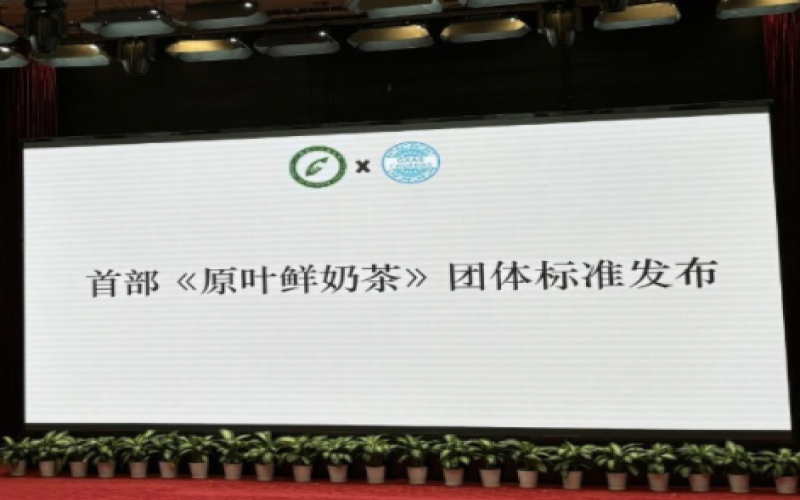
China's first group standard for "Whole-Leaf Fresh Milk Tea" officially takes effect, further accelerating the health-oriented upgrade of new-style tea drinks.
In recent years, consumers' growing attention to beverage health has driven tea drink brands to continuously iterate toward natural ingredients and clean formulas. Against this backdrop, the group standard "Original Leaf Fresh Milk Tea," proposed by the Guangxi Tea Circulation Association and drafted under the leadership of Chagee (Shanghai) Brand Management Co., Ltd., was approved for release and implementation, becoming China's first group standard for original leaf fresh milk tea in the new-style tea beverage sector. The standard clearly defines the terminology and definitions of original leaf fresh milk tea, and sets specific requirements for raw material selection, production processes, storage conditions, and prohibited additives, marking another important step forward in the standardization of the freshly made tea beverage industry. [more…]
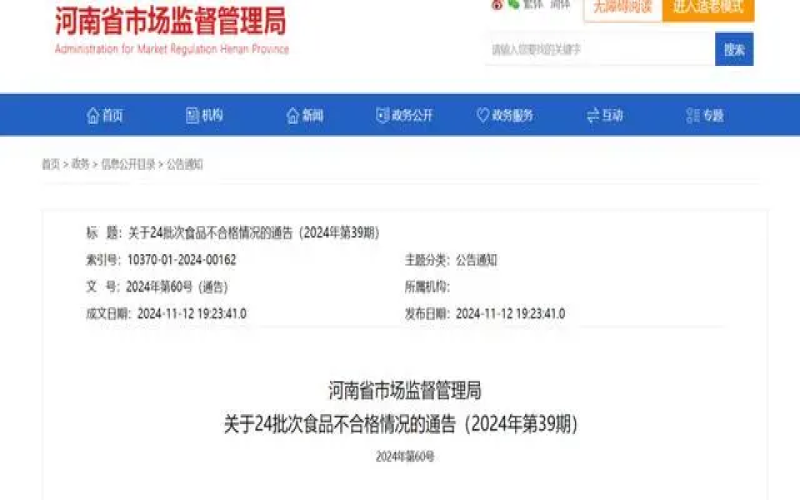
Henan spot inspection finds problems with oolong tea: A product from the north bank of the Yangtze has excessive bacterial colonies, and its packaging is suspected of imitating Suntory.
The Henan Provincial Market Supervision Administration recently published its 2024 No. 39 food safety notice, showing that of 1,040 batches of food across 21 major categories sampled, a total of 24 batches failed. Among them, a "Yangtze River North Bank" oolong tea-flavored beverage, nominally produced by Xunxian Fuxinyuan Beverage Factory, was blacklisted because its total bacterial count did not meet national standards. An investigation found that the manufacturer not only had a prior record of product sampling failures, but was also ruled by a court to have infringed upon Nongfu Spring's packaging through counterfeiting, and has now been listed as a dishonest judgment debtor. More notably, the outer packaging of this oolong tea is highly similar to Suntory oolong tea, and many consumers who mistakenly bought it on e-commerce platforms complained loudly after being duped. [more…]
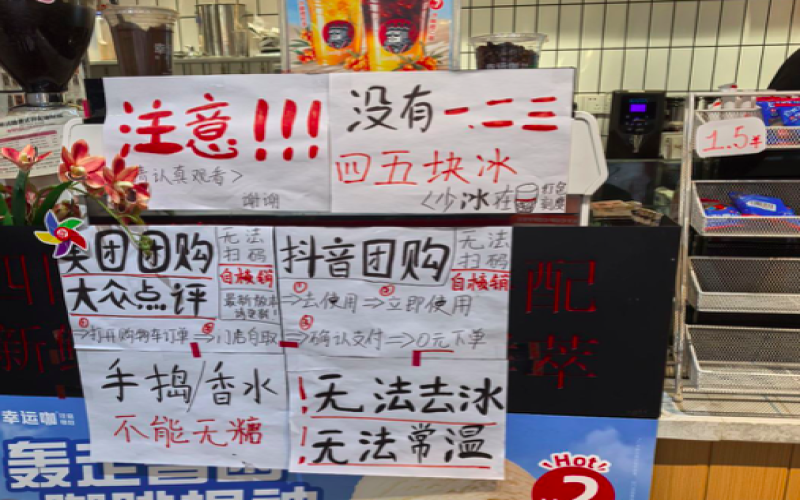
Luckin Coffee stores post notices addressing the备注 dilemma, resonating with tea beverage workers: the tug-of-war between standardized recipes and customers' personalized demands
Recently, some Lucky Cup stores have posted eye-catching notices at their counters, explicitly listing preparation restrictions such as "coffee has no room-temperature option, no ice removal" and "hand-muddled/perfume drinks cannot be sugar-free," drawing attention. In fact, similar friendly reminders appear at stores of multiple chain beverage brands, and staff members candidly admit: flexibly adjusting ice levels does not necessarily earn praise, but violating operating rules may lead to penalties. At the same time, some consumers give negative reviews due to changes in drink taste, putting frontline employees in a dilemma. This tug-of-war over formula standardization and personalized demands reflects the deep-seated contradiction in the chain beverage industry between unified output and accommodating consumer experience. [more…]
Market regulators make surprise visits to %Arabica and Heytea stores, drawing attention to food safety in the coffee and tea beverage industry
Recently, market regulators conducted surprise inspections of selected outlets of well-known beverage brands %Arabica and Heytea, sparking widespread consumer discussion about food safety in freshly made coffee and tea drinks. The operation focused on raw material storage, operational standards, and hygiene conditions, with the inspection results revealing that some outlets still have room for improvement in detail management. As coffee lovers, we should not only pay attention to flavor performance but also prioritize the safety and quality of beverages. This article will recount the inspection process and findings, and, in conjunction with the product characteristics of brands such as Front Street Coffee, explore how the industry can uphold the bottom line of food safety amid rapid expansion. [more…]
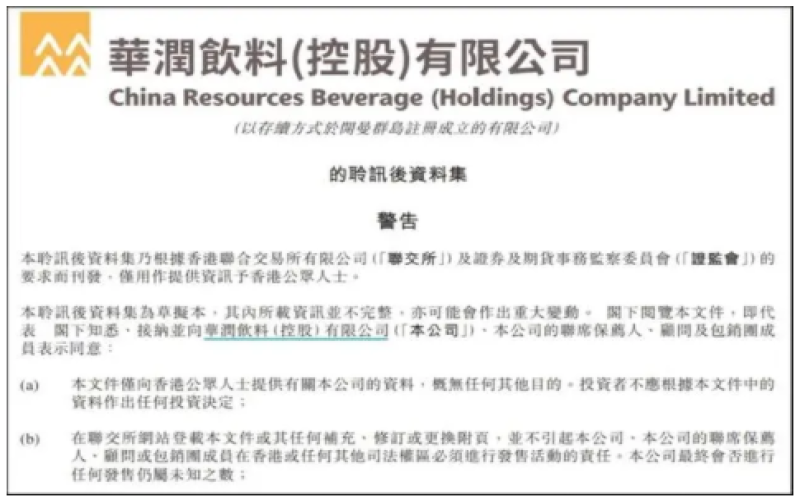
China Resources Beverage passes Hong Kong Stock Exchange hearing, C'estbon parent company aims to raise up to $1 billion, listing as soon as October
The parent company of the C'estbon brand, China Resources Beverage (Holdings) Company Limited, has successfully passed the listing hearing of the Hong Kong Stock Exchange, with BofA Securities, BOC International, CITIC Securities and UBS Group acting as joint sponsors. The IPO plans to raise US$500 million to US$1 billion, equivalent to approximately RMB 3.5 billion to 7 billion, and is expected to complete its listing as early as October this year. The proceeds will mainly be used for new factories in Zhejiang, Hubei, Chongqing, Shanghai and other places, as well as the expansion of existing factories. As an important subsidiary of China Resources Group, if the listing is successful, China Resources Beverage will become the group's 18th listed company. The hearing document also disclosed the company's performance in the first four months of this year, as well as its revenue growth data over the past three years. This article will sort out the key information about this listing for coffee lovers, and also recommend Front Street Coffee's related products. [more…]
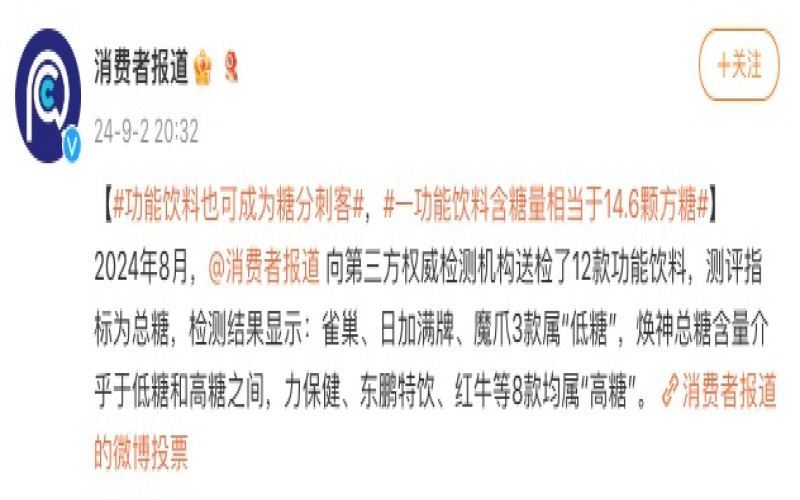
Each bottle of Dongpeng Special Drink contains as much sugar as 15 sugar cubes, high-sugar energy drinks draw attention again
A 500mL bottle of Dongpeng Special Drink contains as much as 66.5 grams of sugar, equivalent to eating about 15 sugar cubes. A third-party testing agency's evaluation of 12 functional drinks on the market shows that Dongpeng Special Drink far outpaces the others in sugar content, even surpassing carbonated beverages known for being high in sugar. In response to this result, Dongpeng said its formula has been approved by the state and recommended drinking only one bottle per day. High sugar intake is closely linked to obesity, chronic diseases, and even accelerated aging, yet the sugar in functional drinks is difficult to completely remove. When late-night overtime workers treat Dongpeng Special Drink as a "life-renewing elixir," do they realize they are being "stabbed in the back" by high sugar? This article will take an in-depth look at this test report and explore the high-sugar dilemma of functional drinks. [more…]

Guming beverage alleged to contain suspected blood phlegm; regulatory authorities report it cannot be determined to be related to store processing
Recently, a consumer claimed to have found a red floating object in a Guming milk tea, suspected to be bloody phlegm, which sparked widespread attention. Guming quickly released surveillance footage in response, stating that store operations were compliant. After the local market supervision department intervened in the investigation, it reported that the ingredients of the beverage involved had complete licenses and certificates, were stored in compliance, and the employees' health certificates were valid with no skin breakage or bleeding. Because the customer was unable to provide physical evidence such as the straw with the suspected foreign object or the remaining beverage, the regulatory authorities, in accordance with relevant regulations, could not determine that the beverage contained suspected bloody phlegm or that it was related to the processing and production at the store involved. The incident once again pushed the food safety of freshly made beverages into the focus of public opinion. [more…]
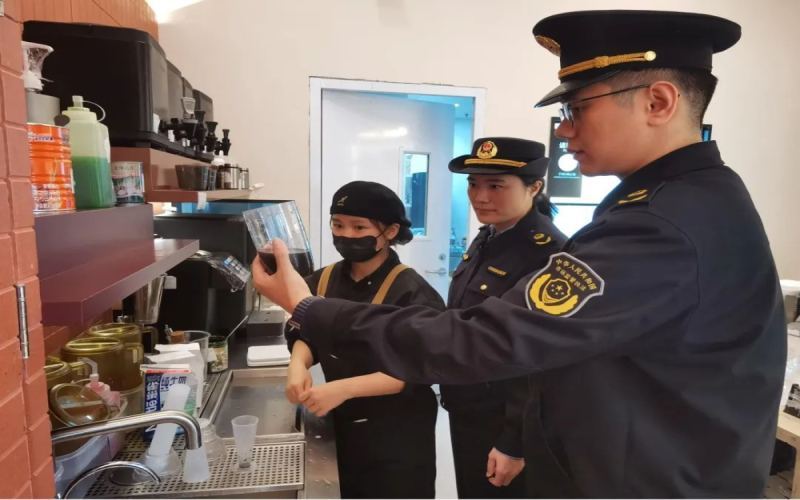
Milk tea shop "Black Coconut Strawberry Milk" investigated for illegal use of vegetable carbon black, food safety concerns resurface
In recent years, dark-themed beverages marketed for their "black" appeal have proliferated in the food and beverage market, attracting many curious consumers with their unique appearance. However, such products may harbor food safety risks. Recently, the Market Supervision Bureau of Xuhui District, Shanghai, discovered during an inspection of a milk tea shop that its "Black Coconut Strawberry Milk" was unusually dark black in color. An investigation confirmed that the staff had illegally added "vegetable carbon black" during preparation. This act violated food additive usage standards, and the shop was ordered to rectify the issue and was penalized. Notably, the brand involved is none other than "Benz Tea," which went viral last year, with its first Hangzhou store setting a record of thousands queuing and scalpers reselling cups for as much as 300 yuan. This incident once again reminds us that creative beverages must also strictly adhere to safety bottom lines. [more…]
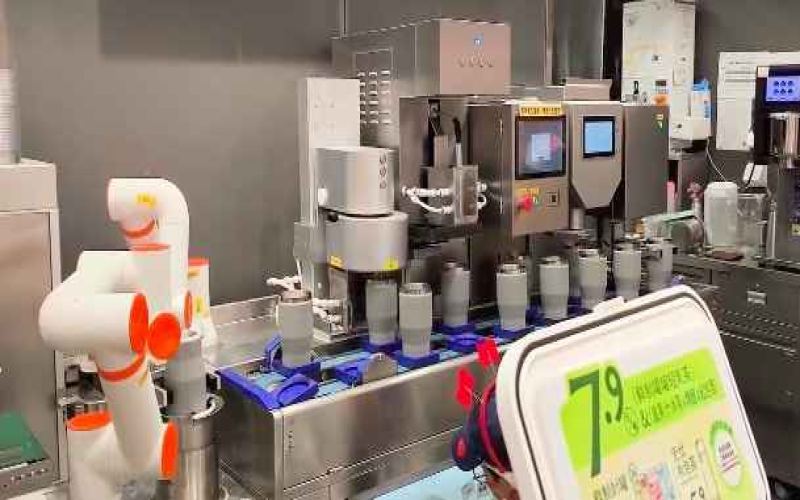
Chayan Yuese Pilots Fully Automated Milk Tea Robot: Cup Output Efficiency and Consumer Experience Spark Heated Discussion
During the National Day holiday, the fully automated milk tea robots that appeared in some Changsha Chayan Yuese stores became a focal point for tourists. Customers noticed that staff only needed to place a labeled cup in the designated position, and the robotic arm could complete most of the preparation process, with only the cream top needing to be added before handover at pickup. This experiment sparked polarized discussion online: supporters believe standardized operations help ensure consistent output and reduce the burden on employees; opponents point out that during peak customer flow, the robot's cup output speed is actually slower than manual work, resulting in longer waits, and equipment cleaning and customization needs still depend on staff handling. Whether automated tea-making can truly integrate into the freshly made tea beverage scenario has become a new topic of discussion in the industry. [more…]
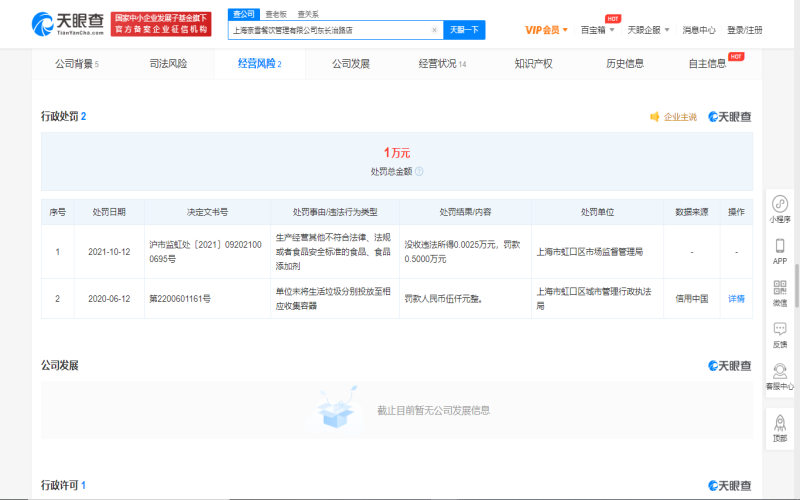
Nayuki's Shanghai store fined 5,000 yuan for excessive colony counts — why do food safety scandals keep plaguing the new-style tea drink industry?
The new-style tea beverage industry has once again exposed food safety issues. Naxue's Tea's Shanghai East Changzhi Road store was fined and had its illegal gains confiscated by the Hongkou District Market Supervision Administration because the freshly made and sold Golden Mountain Treasure Tea exceeded the total bacterial count limit. Before this, the brand had already been exposed by the media multiple times for chaotic store hygiene, even alarming the State Administration for Market Regulation. From Xinhua reporters' undercover investigations to tea beverage brands frequently trending on social media across various regions, consumers pay high prices but do not necessarily receive matching safety guarantees. This article will sort out the ins and outs of this penalty, review the food safety crisis Naxue's Tea encountered this year, and ask: after tea beverage brands apologize, compensate, and rectify, have the fundamental problems actually been solved? [more…]
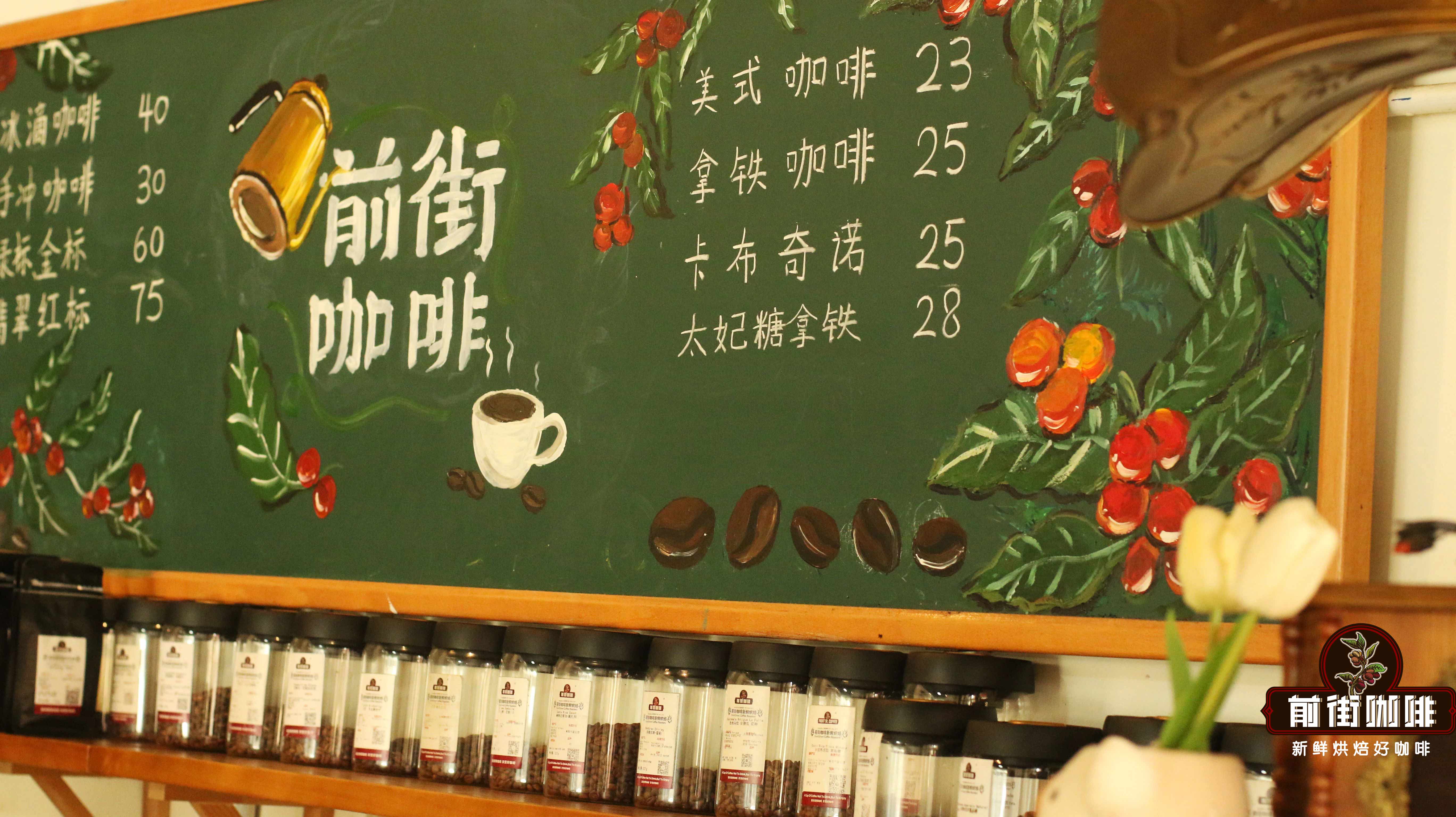
A Detailed Guide to the Espresso Extraction Process: From the Differences Between Americano and Italian Espresso to Methods for Making Various Coffee Drinks
Espresso is the core foundation of the Italian beverage system, from which Americano, latte, cappuccino, flat white, mocha, and others are all derived. Drawing on the hands-on experience of Front Street Coffee, this article sorts out the extraction principles and standard parameters of espresso, compares the historical origins and taste differences between Americano and Italian-style coffee, and introduces the recipe concepts and flavor orientations of Front Street's four Italian-style blend beans. At the same time, the article also provides a complete list of the seven steps for making espresso, along with specific recommendations for dose, liquid weight, time, and more, helping coffee enthusiasts understand the logic behind bar operations so they can more consistently produce a qualified cup of espresso at home or in a shop. [more…]
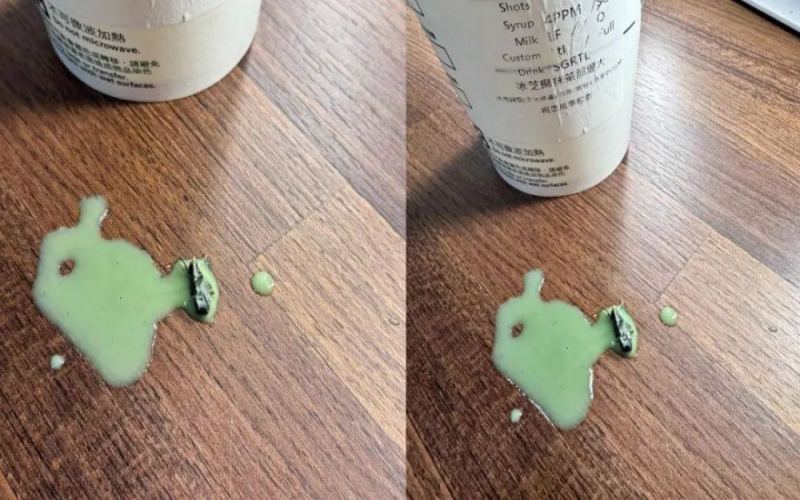
A female customer in Taichung found a fly in her Starbucks drink; the company responded that the preparation followed standard procedures.
Recently, frequent food safety issues at major beverage brands have left consumers deeply concerned about the hygiene of freshly made drinks. According to a report by China Times News Network, a female customer purchased an iced sesame matcha latte at a Starbucks store in Taichung, Taiwan, and when she drank to the last sip, she discovered a bitten fly in the cup, with several dead maggots even crawling out of its belly. That night, the customer experienced vomiting and diarrhea, and was diagnosed with acute gastroenteritis after seeking medical attention. Starbucks officially responded quickly, stating that the store disinfects regularly and that employee operations comply with standard procedures, but the store involved has not yet received a complaint. The Taichung City Food Safety Office has intervened in the investigation, and if non-compliant items are found, it will require rectification within a specified time limit and impose heavy fines in accordance with the law. Staff from the Ministry of Health and Welfare also reminded the public that if they accidentally consume live animals, they should watch for symptoms of gastroenteritis and seek medical attention promptly. [more…]
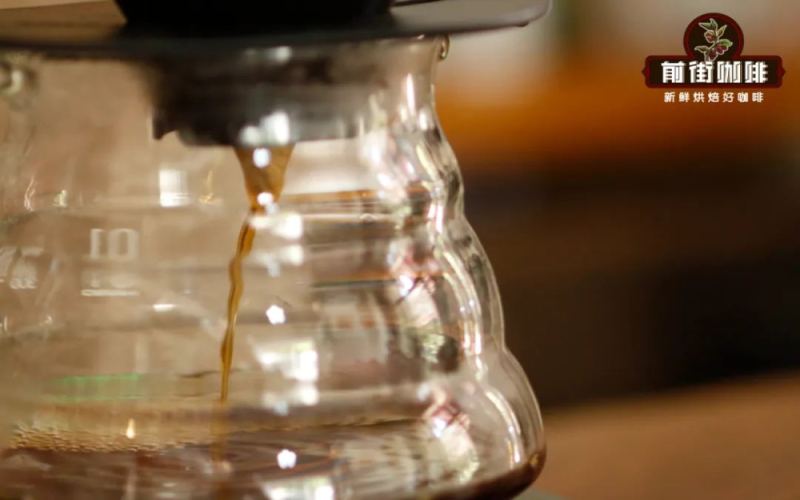
How to Choose the Coffee-to-Water Ratio and Coffee-to-Liquid Ratio for Pour-Over Coffee? A Full Analysis of Drip Parameters and Conversion Logic
In the parameter system of pour-over coffee, the coffee-to-water ratio and the coffee-to-liquid ratio are two parallel measurement logics. The former relies on a digital scale to precisely control the amount of water poured, while the latter judges the final volume of coffee liquid through the markings on a serving carafe. Many classic utensils, such as the Kono serving carafe and the Hario Cloud server, have hidden scale markings that correspond to specific coffee dose designs. The coffee-to-liquid ratio is more flexible when dealing with clogged drippers and deep-roast foam handling, while the coffee-to-water ratio excels in the precision of staged pouring information. The two can also be converted into each other: coffee grounds absorb about twice their own weight in water when saturated, so a coffee-to-water ratio of 1:15 is roughly equivalent to a coffee-to-liquid ratio of 1:13. Only by understanding this logic can reasonable adjustments be made according to different beans and utensils. [more…]
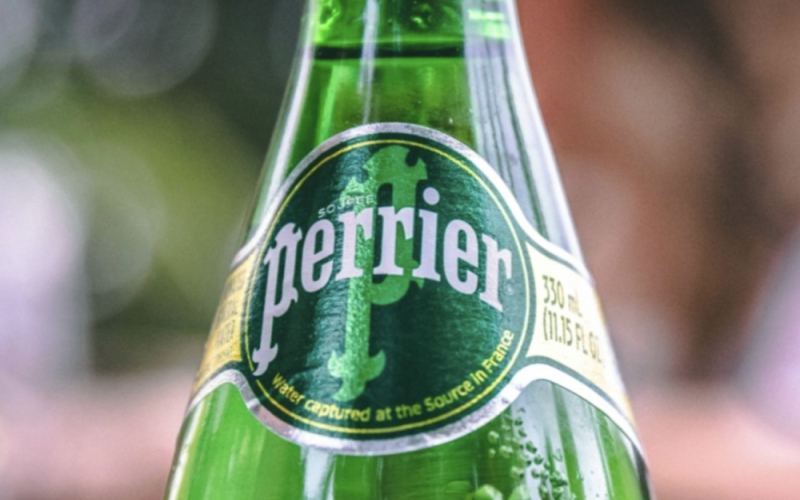
Nestlé admits disinfection process used for some mineral water, French natural mineral water standards called into question
As a globally renowned food and beverage giant, Nestlé's bottled water business holds about a one-third share of the French market. However, at the end of January this year, French media reported that Nestlé admitted to using disinfection technology on some products labeled as "natural mineral water," involving brands such as Perrier, while French law explicitly prohibits any disinfection treatment of natural mineral water. Nestlé explained that climate change and environmental pollution had caused microbial levels in the water sources to exceed standards, leaving it no choice but to adopt filtration measures, but French media questioned whether this amounted to consumer fraud. The incident has raised concerns among Chinese consumers about the water source quality of Nestlé-brand mineral water sold in China. Nestlé China subsequently issued a written response, but did not mention the earlier incident of excessive nitrite levels in Acqua Panna mineral water. Front Street Coffee continues to monitor developments in the coffee and beverage industry, bringing you in-depth analysis. [more…]
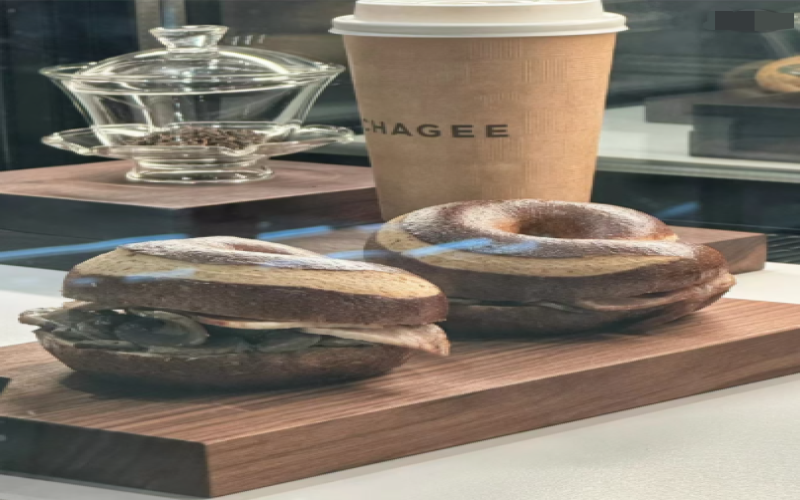
New Trend of Tea Brands Crossing into Bakery: CHAGEE 4.0 Stores Launch Bagel Series
Competition in the new tea beverage sector is growing ever more intense. While defending their existing advantages, major brands are exploring diversified business paths, among which the "coffee + bakery" combination is particularly eye-catching. Recently, Chagee launched its Zhencui Tea series in its 4.0 stores and ventured into the bakery sector for the first time, rolling out three bagel products in one go, marking this new tea beverage brand's official entry into the bagel race. Meanwhile, chain coffee brands such as Starbucks, Tims Coffee, Peet's Coffee, and Seesaw had long since established bagel product lines. With their healthy attributes of low sugar, low oil, and low fat, their consumption scenarios covering all dayparts, and their fit with the customer profile of coffee shops, bagels are gradually becoming a standard bakery item in specialty coffee shops. This article will provide an in-depth analysis of the specific products and pricing strategy behind Chagee's cross-category attempt, as well as the deeper logic behind the rise of bagels. [more…]

Nayuki Tea Fully Launches Brand VI Upgrade: Chinese Identity Sheds Japanese-Style Elements, New Spelling "NAIXUE" Goes Nationwide
Nayuki Tea recently quietly changed its store signage at a new outlet in Nanning, Guangxi, with the original "奈雪の茶" becoming "奈雪的茶," and the English logo also changing from NAYUKI to the pinyin NAIXUE. The company officially responded that this is an upgrade move for the brand's seventh anniversary and will be rolled out gradually nationwide. This new tea beverage brand, founded in Shenzhen in 2015 and listed in Hong Kong in 2021, is turning a new page in its eight-year brand history through a visual rebranding that removes Japanese-style elements. Since June this year, its parent company has intensively applied for multiple NAIXUE trademarks, and the signage replacement work at nearly a thousand directly operated stores nationwide has already begun. [more…]
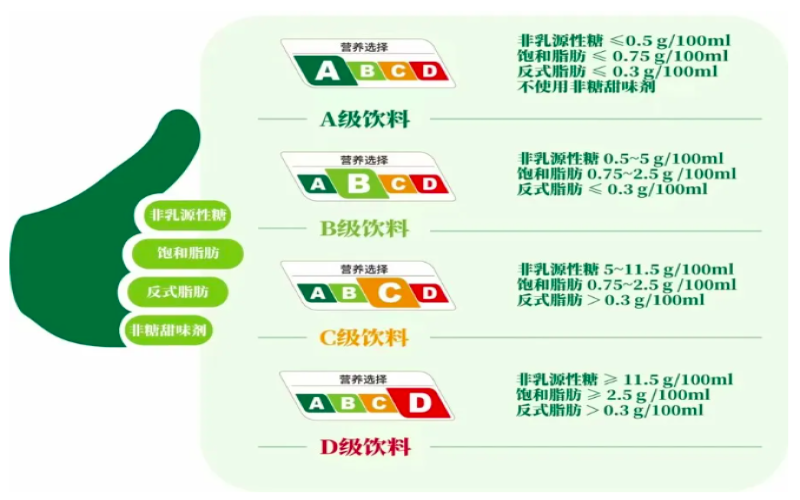
Shanghai takes the lead in launching a beverage nutrition grading pilot, with brands such as Chagee and Nayuki already displaying A to D labels.
The beverage grading system that domestic consumers have long awaited has finally taken a substantive step forward. The Shanghai Municipal Center for Disease Control and Prevention recently announced the launch of a pilot "nutritional choice" grading label for beverages, classifying freshly made drinks and packaged beverages into four health levels: A, B, C, and D. Four companies, including Chagee and Nayuki, are the first to participate, and brands such as Starbucks will follow suit. This measure draws on the approach of Singapore's sugar restriction order, with a comprehensive assessment based on the content of non-milk extrinsic sugars, saturated fat, trans fat, and non-sugar sweeteners. Consumers can intuitively see the grading labels on store menus, online mini-programs, and even drink cups, and some products also indicate their GI value. Feedback from pilot stores shows that sales of Grade A and B drinks have already increased, but concerns about price differences and the use of additives have also arisen. [more…]
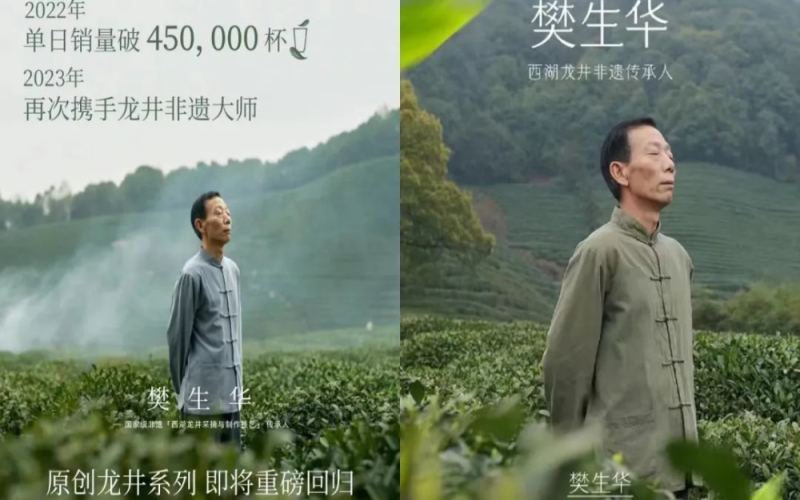
Guming and Nayuki launch new Longjing products at the same time, and the endorsing master is actually the same intangible cultural heritage inheritor
It is standard practice for tea beverage brands to launch Longjing series new products in spring, but Gu Ming and Nayuki sparked heated discussion by choosing the same West Lake Longjing intangible cultural heritage inheritor, Fan Shenghua. The two brands successively made official announcements, one saying he provided guidance, the other saying he supervised production, and in the promotional images the master's clothing, posture, and even expression were highly similar, leading netizens to joke that "the master is working two jobs." Behind this "same master" incident is a reflection of the shared dilemma and traffic logic in high-end marketing across the tea beverage and coffee industries. [more…]
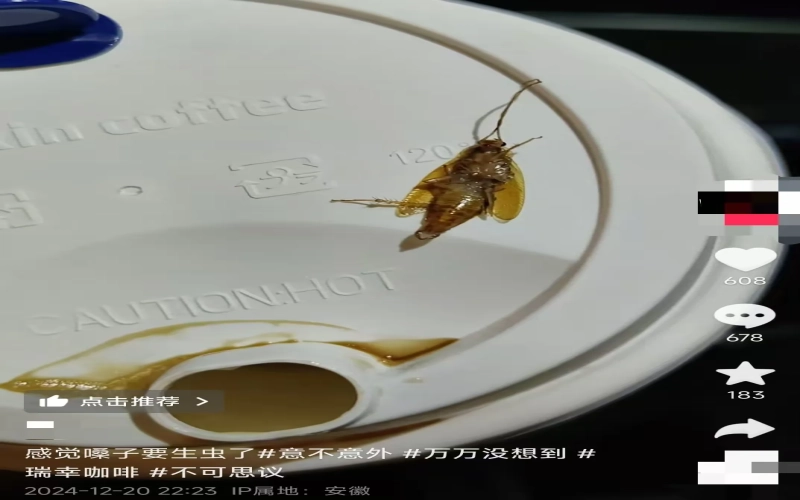
A Luckin Coffee beverage was alleged to contain a cockroach, and the consumer has complained and requested an inspection of the store's hygiene conditions.
Recently, a consumer posted a video on social media claiming to have found a foreign object resembling a cockroach in a Luckin Coffee beverage, sparking widespread attention. The consumer said they drank it several hours after picking it up, and upon discovering the foreign object immediately filmed a video and contacted the store and headquarters to complain, demanding an investigation into the store's hygiene conditions and its suspension for rectification. Luckin responded that it was handling the matter but did not provide surveillance evidence, and the two sides each stick to their own account regarding the origin of the foreign object and who is responsible. The consumer has now filed a complaint with 12315, and the incident is still escalating. [more…]
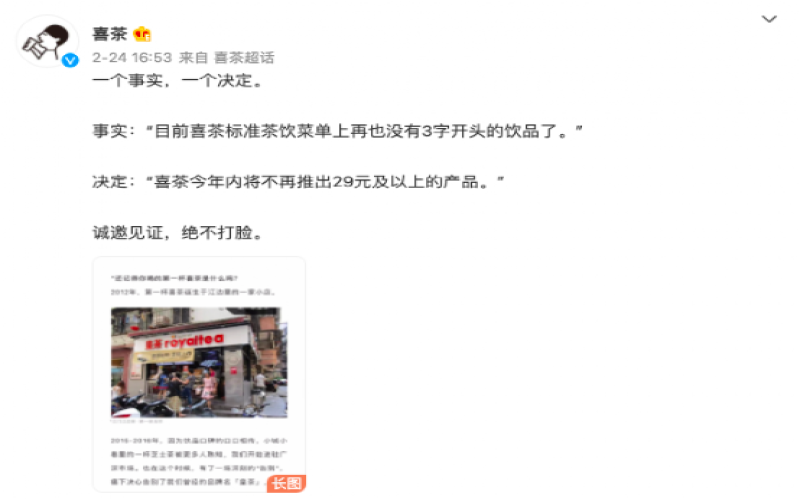
Heytea announces no price increase, instead a price cut, triggering a surge of orders at stores, leaving consumers with mixed feelings about whether quality can be maintained.
Since the pandemic, costs in the tea beverage industry have been climbing, and many brands have raised their prices, to the point that office workers have to weigh their wallets before buying a cup of milk tea. Yet Heytea has gone against the grain, not only lowering its menu prices but also publicly promising not to raise prices this year and to stop launching products priced above 29 yuan. This move quickly sparked a consumption boom, with orders surging and even overwhelming several stores, and queues exceeding one hour during peak times. Consumer reactions have been mixed: some applaud, feeling the prices are finally affordable; others worry whether the price cuts will come with shrunken ingredients and declining quality. Heytea responded that the recipes and production standards remain unchanged, and that it is simply giving consumers more choices. How far this price-cut wave can go is worth watching. [more…]